
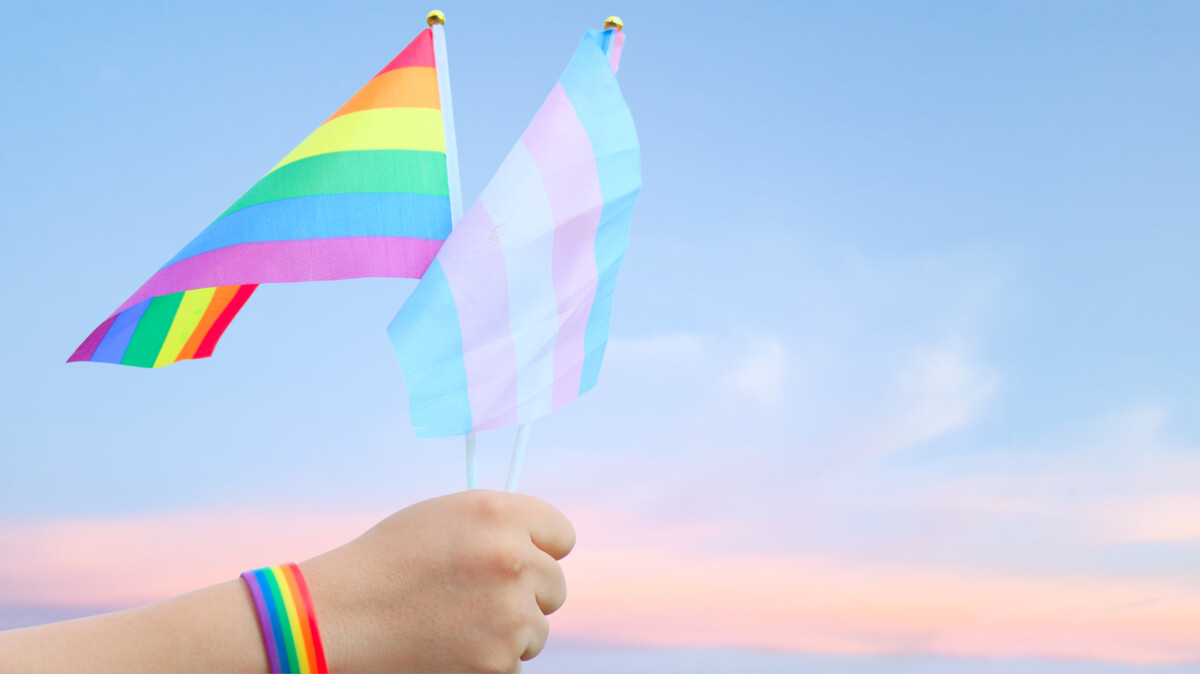
Summary: This resolution designates March 31st as International Transgender Day of Visibility while broadly condemning recent child-protection legislation as discriminatory. However, it misrepresents bills focused on age-appropriate education and medical safeguards for minors, framing them as attacks rather than legitimate efforts to protect children. The resolution also makes questionable historical parallels that appear to serve a political narrative rather than offer meaningful context.
Analysis: This resolution aims to designate March 31st as International Transgender Day of Visibility and broadly condemns recent legislative efforts as discriminatory. It highlights over 700 so-called “anti-transgender” bills introduced from 2021 to 2023, claiming they target education and healthcare access for transgender individuals. However, the resolution fails to acknowledge that these bills were actually designed to protect minors from the harm—not to marginalize or discriminate.
In education, legislation has sought to uphold age-appropriate instruction and parental rights, not to erase identities. In healthcare, concerns have been raised by professionals and parents alike about the long-term consequences of irreversible gender-related medical procedures on children and adolescents. To label these efforts as inherently “anti-trans” oversimplifies valid concerns surrounding child welfare and informed consent.
HCR 22 references Indigenous individuals described as “two-spirited” in an apparent effort to establish historical grounding for modern transgender identity. No one contests that those expressing sexuality outside of God’s original design have existed across cultures and time. However, the real concern is not the acknowledgment of some sort of historical variance in gender roles, but rather the mischaracterization of current legislation—aimed at safeguarding minors—as bigoted or oppressive. Characterizing child-focused safety measures as attacks contributes to a distorted narrative of victimhood that ultimately undermines serious conversations about safeguarding children. The use of Indigenous spiritual identities in this context appears more like a selective appropriation than a meaningful discussion.
This resolution overlooks the legitimate efforts by lawmakers, parents, and educators to protect children, preserve fairness in women’s sports, and maintain the integrity of biological definitions—all while still supposing equal dignity for every person.