
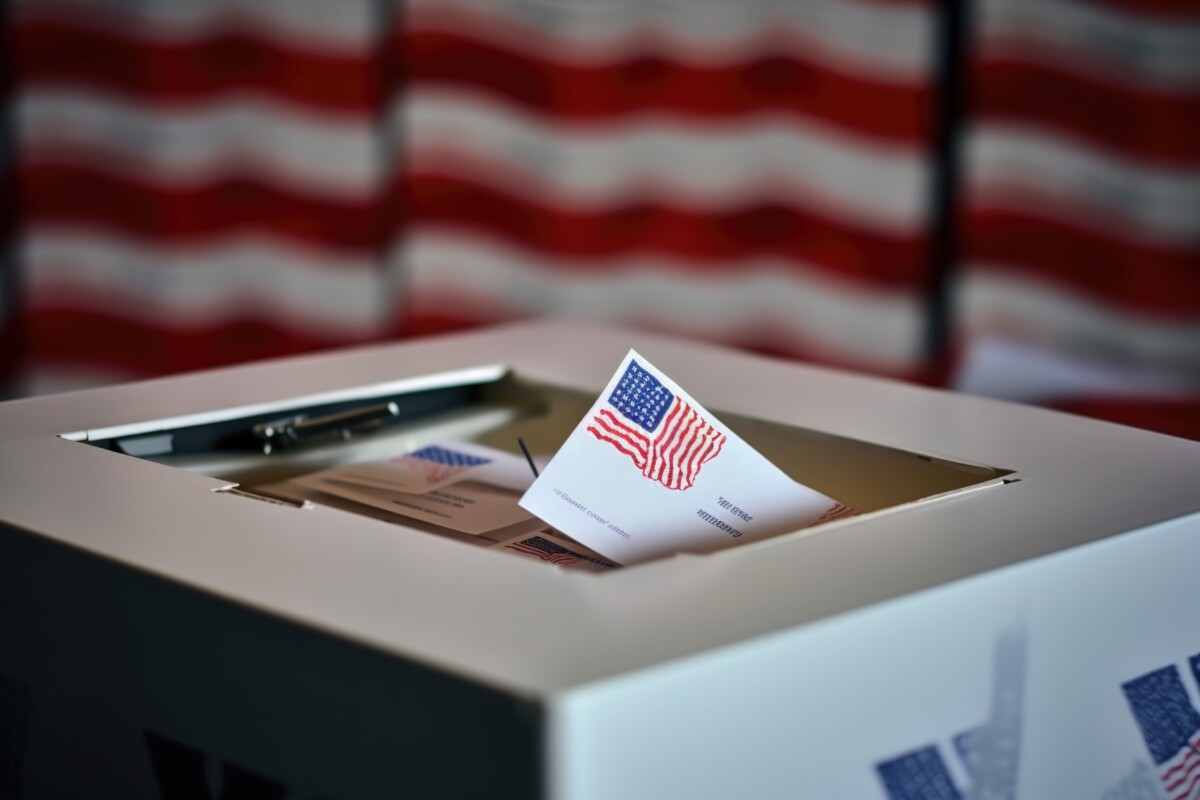
Summary: HB 188 allows for registered voters without any party affiliation to vote in a primary without needing to first register with one of the two major political parties.
Analysis: Delaware is one of the sixteen states that operate under a closed primary system. Primary Elections choose the candidate that will go on to represent the party for the General Election, which is open to all citizens who meet the requirements of the state of Delaware. In a closed-primary state, only members of one of the two major parties are able to participate in choosing the preferred nomineed for one of the major parties. This means that individuals registered as Independent or one of the smaller parties have no say in who will go on to be the Democratic or Republican nominees.
Currently, individuals that are registered to vote, but unaffiliated with any political party, may still vote in the Primary. The caveat is that upon arriving to vote in the Primary, they must offer their intent to register with a particular party. They will be immediately registered as such and given a ballot after their party registration has been completed.
HB 188 would change this process. Under HB 188, an unafilliated registered voter would be allowed to participate in the primary election without formally registering with a political party to receive their ballot. Their vote will simply be entered into public record, but they would maintain their unaffiliated status. This would make Delaware a “semi-open” primary state.
Something that would remain unchanged is the prohibition on “cross-party” voting. That is, voters who are already affiliated with a political party may not vote for a candidate in the other party during a primary election unless they have first formally switched parties by the established deadline.
This is a bill worth watching closely.
Where primaries are more open, there may be great potential for increased voter activity and straying away from rigid partisan politics. Allowing unaffiliated voters to participate earlier in the electoral process may reduce the feeling that the general election offers only a choice between “the lesser of two evils,” after nominees have already been decided without their input.
At the same time, HB 188 raises important questions. Should primary elections be structured for maximum inclusivity, or should they remain tools for political parties to select their own nominees? Does a tightly enforced partisan system limit government power—or entrench it? And what would a semi-open primary system actually look like in practice for Delaware voters?
As HB 188 moves through the legislative process, Delawareans should take time to understand how this proposed shift to a semi-open primary system could affect voter participation, party accountability, and the broader electoral landscape. Whether such a change would strengthen civic engagement or undermine party governance and election integrity is a question that merits careful and ongoing scrutiny as the proposal advances.